
Sea burial is a practice that holds deep cultural significance and emotional resonance for many families. It offers a unique way to honor loved ones while embracing nature. The various options available, from ash scattering to biodegradable urns, provide choices that align with personal values. However, there are important legal and environmental considerations to keep in mind. Understanding these aspects can help families make informed decisions about this meaningful farewell. What else should one consider when choosing this path?
Understanding Sea Burial: Definition and Significance
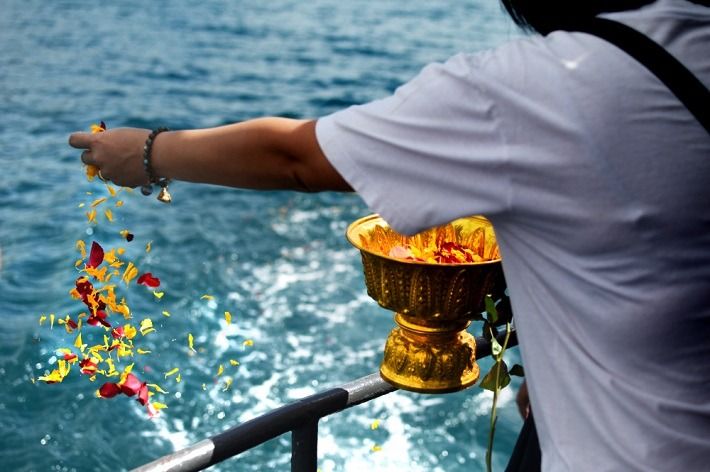
Sea burial, a practice steeped in tradition and maritime heritage, offers a unique way to honor loved ones who’ve passed. This ritual reflects diverse cultural perspectives, as various societies have embraced the sea as a final resting place for centuries.
From ancient Viking seafarers to modern coastal communities, historical practices reveal a profound connection between humanity and the ocean. For many, sea burial symbolizes freedom, allowing the deceased to return to nature in a meaningful and poetic manner.
Families often find comfort in knowing that their loved ones are united with the waters they cherished in life. The act not only celebrates the individual but also fosters a sense of continuity with the environment.
As society evolves, the significance of sea burial remains, offering an alternative to traditional land-based interments while honoring the diverse ways cultures celebrate life and death.
Options for Sea Burial: Types and Practices
While many may envision a simple scattering of ashes at sea, options for sea burial encompass a variety of practices tailored to different preferences and cultural traditions. Families often choose traditional practices, such as placing the ashes in biodegradable urns that dissolve in the ocean, allowing for a natural return to the earth.
Others may prefer a more elaborate memorial service, incorporating rituals that reflect the deceased’s life and values. Some opt for a ceremonial dive, where a reef ball or other eco-friendly structures are submerged to create marine habitats. This approach honors the individual while contributing positively to the environment.
Additionally, families can select specific locations meaningful to their loved ones, making the experience personal and heartfelt. Ultimately, sea burial offers diverse options that celebrate life https://hongenlife.com/en/sea-burial/, foster remembrance, and allow families to honor their loved ones in a serene and liberating manner.
Legal and Environmental Considerations for Sea Burials
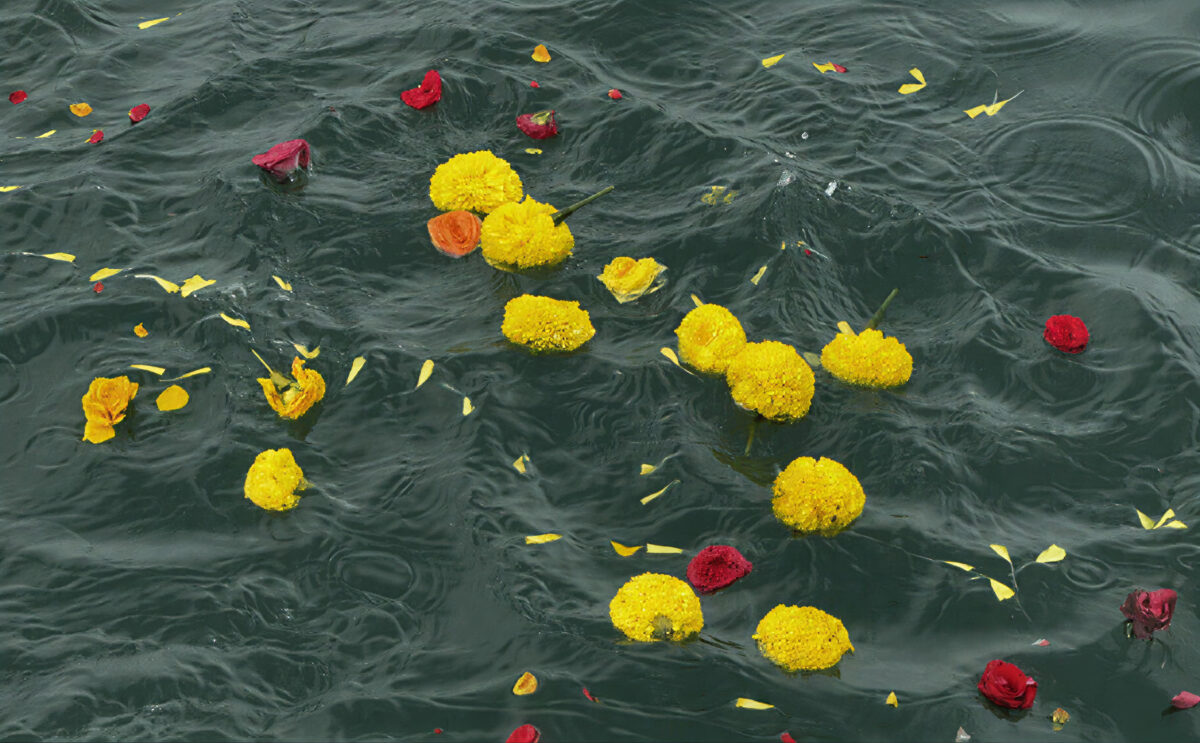
Before families can proceed with sea burials, they must navigate a range of legal and environmental factors. Each region has specific legal requirements governing sea burials, often mandating permits and compliance with maritime laws. Families should consult local authorities or funeral service providers to guarantee adherence to these regulations.
Additionally, it’s vital to reflect on the environmental impact of the burial. Eco-friendly practices are encouraged, such as using biodegradable materials for caskets or urns.
Families can opt for natural burial methods that minimize disruption to marine ecosystems. Understanding the balance between honoring a loved one’s wishes and protecting the ocean’s health is essential.
Conclusion
To summarize, sea burial offers a profound way to honor loved ones while embracing nature. By understanding the various options and adhering to legal and environmental guidelines, families can create a meaningful farewell that resonates with their beliefs and values. Hong En Life Bereavement Care stands ready to support families through this journey, ensuring that each step reflects the deep emotional significance of this cherished practice. Choosing sea burial can be a beautiful tribute to lasting memories.